
I first heard this phrase used by Taylor Swift in her Miss Americana documentary on Netflix. She’s in the car being driven somewhere, and she’s describing what she does with her mind when she begins to think negative thoughts about herself. When dark thoughts start to creep in that are unhealthy, she says “we’re just … changing the channel in our brain” to better thoughts (here’s the clip). I also recently heard Kathryn Slater, guest host on Ellen Noble’s podcast, use that same phrase to help Noble describe a moment when self doubt bubbled up on her bike ride and how she brought herself back: she also changed the channel. (Noble is a Swiftie, so this usage may not be a coincidence.)
In both of those scenarios, changing the channel is a trick to escape a known, personal psychological trap. You’ve been here before, you know where your mind wants to go, and it’s not a good place. Before it slips into that trap, you grab its arm and yank it aside.
This is actually a post about being a bananas-stoked 47-year-old mountain athlete who also manages chronic pain. Most athletic die-hards, especially those of us over 40, get increasingly creaky and acquire a library of injuries and niggles; I’m not talking about those. I’m talking about chronic nerve pain that arrives unexpectedly, hangs up her coat, and rearranges your body and life, for me it’s ~ every 6-8 years. She stays long enough for you to wonder if she will ever leave, and when she finally goes, you celebrate while trying not to manifest her return.
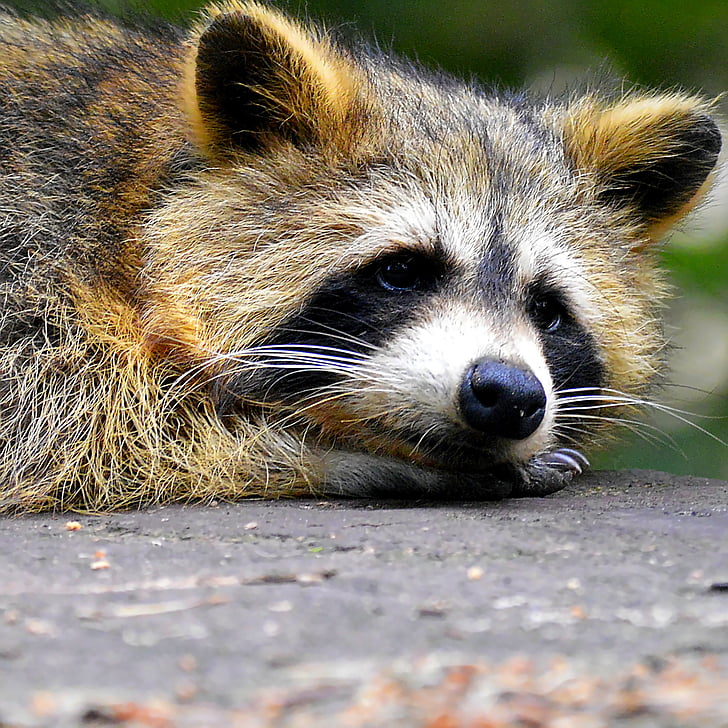
I planned to be training and bike racing all year, really leveling up with an amazing coach and my first power meter! (I named my power meter after my coach.) But in January before my first race this season, I had a non-training-related sudden flare up that didn’t resolve quickly, and my body emphatically continues to say no to riding. Knowing my body’s history, I briefly turned into a sad raccoon and ugly cried over dashed hopes for the year. I considered selling one or both of my mountain bikes. But then I focused on changing the channel to not be insufferable to myself or others, and to give my brain-body connection a chance at healing a nasty flare.
Changing the channel is an especially important skill for athletes who are susceptible to going “all in” on their sport and strongly, even wholly, identifying as one athletic thing:
a trail runner
a climber
a mountain biker
a whatever.
I’ve personally identified maniacally as each of these, one at a time, and have had to give up each of them at different times of my life for different body-related reasons. It’s devastating at first when it happens. You think: Who am I? Am I a climber if I can’t climb, or a trail runner if I can’t run? What right did I have to call myself a bike racer if I can’t ride let alone race? Do I still belong as a teammate on my bike racing team? The questions get darker: what if I can’t ever ride/run/climb again? It sounds melodramatic to everyone but you, because with chronic pain you truly don’t know when or if you will bounce back. This is also a really unhealthy headspace to stay in for too long. You know what to do.
Despite the identity crises, dealing with chronic pain as an athlete has, unexpectedly, yielded some gifts over time.
It has increased my pain tolerance and made me unquestionably tougher. This is a huge advantage in events like bike races where suffering better is part of the game. I can endure, and enjoy, voluntary suffering at my limit better than most.
It has made me grateful to the point of tears on everyday rides or runs or climbs when I am not in pain because I can feel the not-pain. The feeling of not-pain is a mixture of relief, privilege, and joy, because the memory of the pain, and fear of it returning, are always there.
And it taught me to never allow myself to identify as only one kind of athlete. It’s too psychologically risky. If I can’t ride, I can climb. If I can’t climb, I can practice yoga. I never stopped doing any of these things while I was riding a ton because I still identified as all these other types of athlete and person at the same time.
Aside from a lot more climbing and yoga, I noticed that I am taking refuge in my people (I ♡ you) and my creative work, like writing and letterpress printing. We have a massive garden project underway, which gets me outside, in the dirt, and as tired as I want to be. I’m redecorating my home office. Not riding also means I have stolen time to make plans: I went to the Monterrey Bay Aquarium (link to live cams) with my amazing husband, to the SF Ballet with a close friend, and got my first tattoo on a trip to San Diego with my mom, who also got her first tattoo at 72! I have a climbing trip and conference coming up in Boulder in May, then Hawaii with family after Spring term, and the UK for a wedding and lots of research in August. While I am definitely embracing the comedic “yes and” to stay busy, it’s better and more distracting than the alternative.
Going back to Ellen Noble, of whom I am a huge fan, she recently returned to pro bike racing after retiring early due to her autoimmune diagnosis. In her original retirement Instagram post, she quoted Morgan Harper Nichols: “I do not know what lies ahead but I will find joy, anyway.” At first, I was annoyed by the quotation, which on the surface comes across as a cloying throw-pillow slogan for “I will make lemonade.” But then, because I am literally a professional close-reader in my day job as an English professor, I focused on that vast trailing “, anyway.” Everything I’m doing to create mental and physical alternatives for myself is in that “[pause] comma [space] [elsewhere]”. It’s a trail of its own, and I can work with a trail.

 Mountain Lady Views
Leave a comment